

Real estate
Techno-Economic Viability Studies
From TEV to LIE: a slum-rehabilitation redevelopment in Jogeshwari
Jogeshwari (East), Mumbai

Independent monitoring for lenders from sanction to completion — verifying that project cost, construction progress and use of funds match what was financed.
Overview
A Lender's Independent Engineer (LIE) acts for the bank or consortium on a financed project. Before each disbursement the LIE verifies the work done on site, the costs incurred and how earlier disbursements were used, and reports to the lender with a recommendation.
This gives lenders an engineer's eyes on the project throughout construction, so that cost overruns, delays, quality issues or diversion of funds are identified early rather than at completion.
Our LIE engagements are led by civil and mechanical engineers and registered valuers, with chartered accountants supporting cost and fund-utilisation verification.
Purposes
Review of project feasibility, design, approvals and construction methodology before or at sanction.
Technical due diligence
Review of cost estimates, BOQs and contracts against market rates and actual execution.
Project cost verification
Periodic site visits to track milestones, schedule and quality of work against approved plans.
Construction progress monitoring
Verification that disbursed funds have been spent on the project as intended, before the next tranche.
Fund utilisation certification
Identification of technical, financial and regulatory risks, with recommendations to protect the lender.
Risk assessment
Checks on statutory approvals, environmental clearances, RERA and other regulatory requirements.
Compliance review
Assessment of materials, workmanship and adherence to safety standards.
Quality assurance
Periodic reports with photographs, progress charts, cost-to-complete and our observations.
Reporting
Communication between the lender, promoter and project team to resolve issues early.
Stakeholder coordination
Scope
Checklist
Our process
Step 01
The lender appoints us at or after sanction and shares the sanction terms and the project's base case.
Step 02
We review the approved project cost, schedule, drawings, approvals and contracts.
Step 03
We inspect the site at agreed intervals and at each disbursement request.
Step 04
We verify work done, costs incurred and the use of previous disbursements against bills and records.
Step 05
A monitoring report with progress, cost-to-complete, deviations and our recommendation on the next disbursement.
Step 06
Final verification at completion of the project or of the lender's exposure.
Who does the work
Registered valuers, chartered engineers and specialists who work on Lender's Independent Engineer assignments.

Sharadkumar B. Chalikwar
Chairman & Managing Director
IBBI — Land & BuildingIncome Tax — Land & Building, Plant & MachineryIOV — Land & BuildingIIV — Plant & MachineryPVAI — Land & BuildingChartered Engineer (India) — The Institution of Engineers (India)Fellow — The Institution of Engineers (India)

Manoj B. Chalikwar
Joint Managing Director
IBBI — Land & Building, Plant & MachineryIncome Tax — Land & Building, Plant & MachineryIIV — Land & Building, Plant & MachineryPVAI — Land & BuildingIIV-RVF — Plant & MachineryChartered Engineer (India) — The Institution of Engineers (India)Licensed Structural Engineer — Maharashtra (UDCPR) — Directorate of Town Planning, Government of MaharashtraMember — The Institution of Engineers (India)
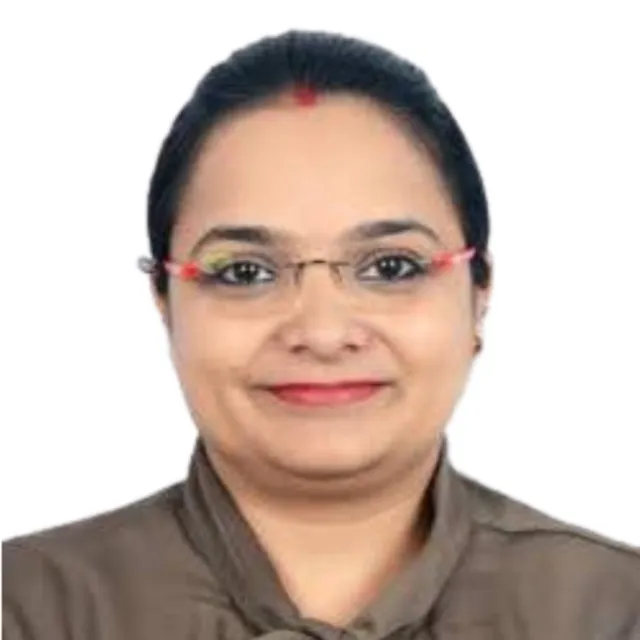
Vidhi M. Chalikwar
Director
Income Tax — Land & BuildingIIV — Land & BuildingIIV-RVF

Umang A. Patel
Director
IBBI — Land & Building, Plant & MachineryIncome Tax — Land & Building, Plant & MachineryIIV — Land & Building, Plant & MachineryIIV-RVF — Land & Building, Plant & MachineryChartered Engineer (India) — The Institution of Engineers (India)Associate Member — The Institution of Engineers (India)

Shashikant B. Chalikwar
Executive Director
Income Tax — Land & BuildingIIV — Land & BuildingIIV-RVF — Land & BuildingChartered Engineer (India) — The Institution of Engineers (India)Member — The Institution of Engineers (India)
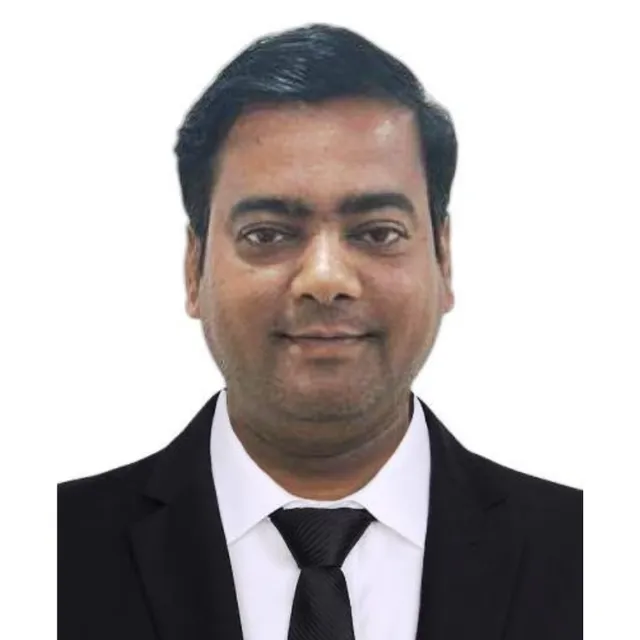
Avinash Pandey
Regional Head, Thane
IBBI — Plant & MachineryIncome Tax — Plant & MachineryIIV-RVF — Plant & MachineryChartered Engineer (India) — The Institution of Engineers (India)Member — The Institution of Engineers (India)
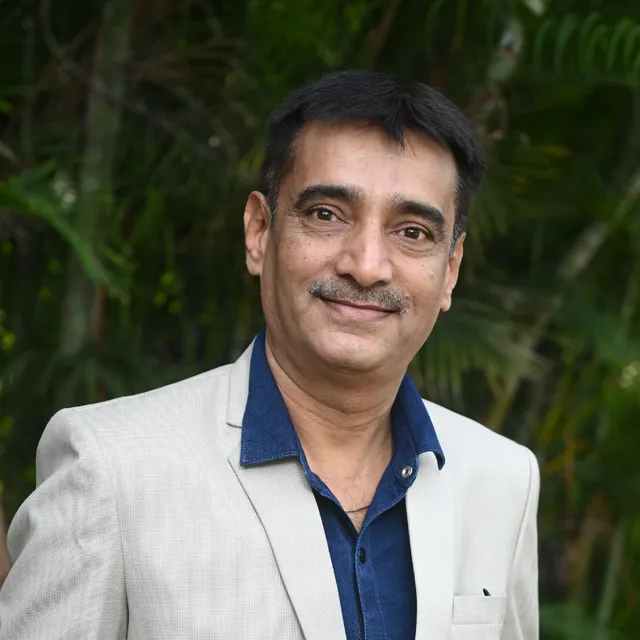
Sanjay R. Phadol
Regional Head, Nashik
FAQ
Can't find the answer? Ask us directly — we're happy to explain how an assignment would work.
All questionsNo. A TEV study is done before sanction to test whether the project is viable. An LIE is appointed after sanction to monitor execution and certify disbursements. The same firm can do both, depending on the lender's policy.
As agreed with the lender — typically monthly or quarterly, and before each disbursement.
The fee is usually borne by the borrower under the sanction terms, but the LIE reports to and acts for the lender.
Under the Indian Banks' Association framework, lenders appoint ASMs from IBA's panel to monitor the end-use of funds and project progress for larger borrowers. Vastukala is on that panel.
Case studies
How Lender's Independent Engineer assignments have run in practice — from our assignment records, anonymised where the client has not agreed to be named.
All case studiesTechno-Economic Viability Studies
Jogeshwari (East), Mumbai
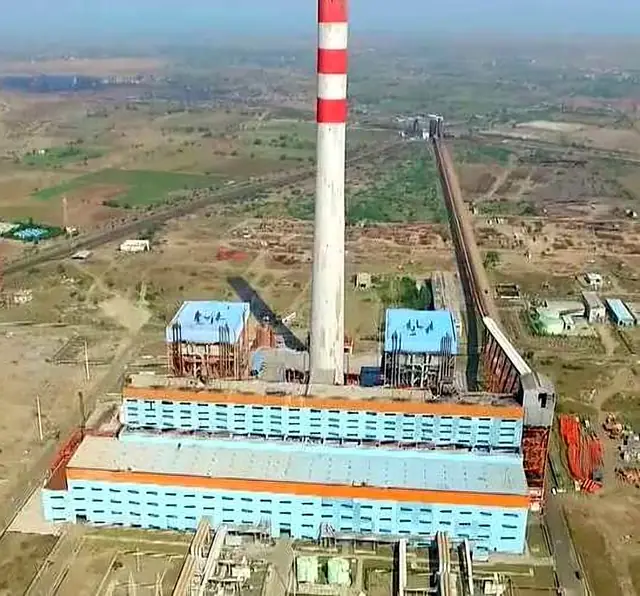
Power Sector Valuation
Nashik, Ahilyanagar, Chhatrapati Sambhajinagar, Nagpur, Yavatmal and Gadchiroli districts, Maharashtra
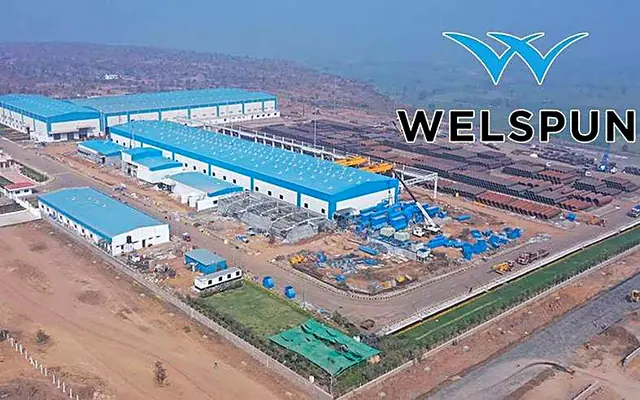
Lender's Independent Engineer
Anjar, Kachchh district, Gujarat
Related services
Independent assessment of a project's technical feasibility, cost, means of finance and financial viability for lenders.
Learn more
Land, buildings and projects — residential, commercial, industrial and redevelopment — for lenders, courts and tax.
Learn more
Chartered engineer certification, carpet area measurement and technical due diligence.
Learn moreContact us
Take the first step — tell us about the asset or project and we'll take care of the rest.
Head office
Other offices
Thane · Pune · Nashik · Chhatrapati Sambhajinagar · Nanded · Indore · Ahmedabad · Rajkot · Delhi NCR
Call
A few details help us send an accurate proposal the first time. Fields marked * are required.